Meaningful World

Global Missions

Impact of Syrian War: Reflections of Children Displaced in Armenia

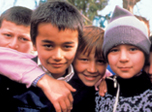
ATOP Meaningfulworld has taken the first step to assess the needs of a community of children displaced by conflict in Syria. Your ongoing support ensures these children can rebuild a stable life. Katherine Kaze and Dr. Ani Kalayjian SYRIA- In 2011, protests against President Bashar al-Assad’s regime sparked a civil war whose death toll has since risen beyond 100,000. As violence escalated, a succession of third party groups joined the fray, including jihadist groups and neighboring governments. Many of those with the means to do so have since fled to other territories. This includes a large Syrian Armenian population, based mainly in Aleppo, whose roots derive from the migration associated with the Turkish occupation and Genocide of Armenia in the early 20th Century. According to a United Nations estimate, 2 million refugees have since fled the nation, with ¾ of that figure identified to be women and children. Another 4 million remain displaced inside the country as death tolls continue to rise. Seated at the front of a modest classroom of in Yerevan, Armenia, the 23 fresh faces before us contained no trace of the violence of their previous environment. Aged 7 to 9, these students had all arrived at the Nar Dos School in District 14 of the city to continue their studies in Arabic until the conflict seemed as though it would find some resolution. Many had arrived between 6 months to a year before Meaningfulworld’s visit. As the conflict worsened, the children had been divided into existing Armenian classes at the appropriate level to begin integrating into the education system and assume courses taught in the Armenian language – it had become clear that there would be nothing to return to back home. The goal of Meaningfulworld’s outreach at the Nar Dos School was to form a collaborative relationship with staff in order to access and treat the mental health and general status of the displaced children. We arrived at the school with various supplies and gifts for the children, introducing ourselves with a lecture on the negative emotions derived from stress. Applying the 7 Step Model, we engaged the children about their experiences in Armenia and found responses to be enthusiastic and open among all participants. The most frequently expressed negative emotions were worry, anxiety, and embarrassment. Students reported their fears about being late to school, and not doing well in the new school environment. It was evident that several felt uncomfortable with the use of the Eastern Armenian language (as the Western Armenian is used in Syria, as well as the majority of the diaspora), continuing to make their requests to the team in Arabic when words in Armenian did not readily surface to their memory. As conversation progressed, one girl (9 years of age) stated that her brother had begun to physically bully her after their relocation, causing her to seek help from her parents. Several others expressed a longing for home in Syria. Another female student stated “I am sorry that I am sitting here while my friends are still in Syria. I wish they could be here with me”. In general, the children seemed well adjusted. They demonstrated familiarity and comfort among each other, and it appeared they had established a support structure within their small group. To encourage the flow of ideas, paper and crayons were distributed among the children. In lieu of psychological surveys, which are geared toward adult understanding, we utilized their drawings. This method was originally introduced in 1926 by Florence Goodenough, a child psychologist who asked children to draw a picture of a man, of a woman, and of themselves and used the results to evaluate their psychological development. In this case, the students were requested to draw “a place where they feel safe” as a means of identifying the items that they currently associated with security and stability in their new environment. The majority of participants drew their homes in Armenia, or places associated with home or school, such as a football field, a garden by their home, and an amusement park. Approximately 1/5 of the students drew their homes in Syria and expressed a yearning to go back home. In a discussion that followed the presentation of the drawings, teachers elaborated that three out of 23 children displayed fears, jumpy feelings, and hyper-vigilance in the classroom. The team distributed Bach remedies for shock and trauma and grief especially for children donated by Nelson Distributers, followed by a series of yoga and breathing exercises. Examples of the children’s drawings: (Left) An Armenian garden, Center) a home in Syria, (Right) a child at home in Armenia Following our meeting with the children, we held a meeting with the Principal Arusyak Barseghyan to discuss the needs of the students. Arusyak expressed the dearth of supplies within the school, specifically chalkboards, chalk, and gym equipment.. Plans to continue a collaborative relationship in order to facilitate the receipt of these supplies were established, and a new partnership was successfully nurtured. It is clear at the conclusion of our visit that there is much Meaningfulworld can offer in terms of support as these children continue to adjust. The team has begun to coordinate plans to return to Armenia in October 2014 to continue to work with the children, specifically designing more in-depth training for the teachers and educators. In the interim, the team will continue to facilitate the distribution of the most high priority tools, as identified by Director Barseghyan, and welcomes physical and financial donations toward this endeavor. Inquiries regarding continued outreach with Syrian refugees may be directed to Katherine Kaze at kkaze711@gmail.com. ATOP Meaningfulworld began work in Armenia in 1989 immediately after the earthquake bringing mind-body-eco awareness, mindfulness, meditation, energy balancing, peace building, conflict transformation, leadership, and restorative justice.

Impact of Syrian War: Reflections of Children Displaced in Armenia Read More »

Project Africa

ATOP Humanitarian Empowerment, Peace Building, Leadership and Restorative Justice Mission

ATOP Humanitarian Empowerment, Peace Building, Leadership and Restorative Justice Mission In Africa: Kenya, Rwanda, and DR Congo June 29 – July 12 Team Members: Dr. Ani Kalayjian & Charito Calvachi-Mateyko, JD ATOP Team Dr. Ani Kalayjian, and Dr. Charito Calvachi-Mateyko arrive from United States to give lectures and workshop on trauma healing, mind,-body-spirit healing, yoga, meditation and restorative justice. Dr. Kalayjian is a Psychologist, traumatologist, Professor and community organizer, with four books on healing from trauma, forgiveness & reconciliation and disaster management, working at the United Nations since 1989. Charito Calvachi-Mateyko, JD a native of Ecuador is a restorative justice consultant and practitioner who has led peace-building efforts in many countries around the world. Since their arrival in Nairobi, Kenya in June the team has achieved great success as they have worked with the following groups: 1. Kwangware Women’s Group, about 20 women gathered to share their experiences, stresses of life, and issues with their spouses’ alcoholism. The group was given energetic healing, given tools for everyday survival, and ways to engage in approaching the addiction issue. 2. Kibera Small Business Women’s Group, at Kibera coordinated by the Youth Volunteers for Change, 25 people who were given leadership skills, stress reduction mindfulness breathing exercises, as well as Reiki, energetic healing 3. Children’s Group, 75 children were gathered excited to greet ATOP Team. The Four Agreements were shared on how to live life stress free, energetic healing, yoga and chakra balancing exercise, combined with song and dance were provided. 4. Kibera Youth Volunteers for Change, was another lively meeting of 25 youth ages 17-29. Where the Four Agreements of life was shared, and processing of their own challenges followed with meditation and mindfulness breathing techniques. 5. A two-day training in Mathare, to 22 former gang members. Developing emotional intelligence was shared as well as the importance of the circle of dialogue. 5. On Sunday 1 July, ATOP Team took part in the Maranatha Church services in Kwangware, and both team members gave sermon to hundreds of congregation on love, forgiveness, and restorative vision of justice 6. The team attended the Karika ageing group in Kawangare. 7. On July 2, a workshop was held with paralegals and prison warders in Halinguni. 8. The team was invited to give a workshop at the University of Nairobi in the Psychology Department with the invitation of the Dean and Chair. Over 135 students, faculty and staff gathered and had a transformative experiential session to understand what trauma does in the body, mind, emotions and spirit and the restorative ways to cope with it. The team is leaving on the 3rd of July to Rwanda to continue their work and from their to DR Congo. Association for Trauma Outreach & Prevention (ATOP) at Meaningfulworld, founded in 1990, a charitable NGO affiliated with the United Nations has achieved recognition as a leader in training humanitarian outreach professionals around the world in over 40 countries. ATOP has been working in Africa in Sierra Leone, Kenya, Rwanda, and DR Congo. This is the 3rd mission to Kenya bringing mind-body-eco awareness, mindfulness, meditation, energy balancing, peace building, conflict transformation, leadership, and restorative justice. www.meaningfulworld.com, END.

ATOP Humanitarian Empowerment, Peace Building, Leadership and Restorative Justice Mission Read More »

12 Steps for a Healthy, Happy, and Meaningful Life

12 Steps for a Healthy, Happy, and Meaningful Life Dr. Ani Kalayjian 1.     Be present in the moment. See each day as a present to be discovered. The past is the lesson, the future is unknown, therefore stay mindful in the present. 2.    Monitor your thoughts to prevent them from becoming automatic negative actions. If your thoughts are negative, sit, feel, discover the roots (But don’t get stuck let it go), and transform with breath of patience and understanding. 3.    Be grateful for every experience. Experiences are your workshops in self-discovery and transcendence – especially the negative or challenging ones. 4.    Be flexible in mind, body, and spirit. Respond with curiosity and openness and explore alternative options without jumping to negative conclusions. 5.    Be compassionate and empathic. Empathy brings you closer to others, to yourself, and especially to your opponents. Walk in their shoes – even your worst enemy is human and has a story. 6.    Be forgiving. Forgiving yourself will free you from self-judgment, while forgiving others will free you from victimization. Practice forgiveness daily to bring you peace of mind as well as enriched relations. 7.    Express love daily. Loving yourself is the first step to transforming sacrifice into self-care. Express love to others, especially to those who have hurt or disappointed you in some way. 8.    Find your passion, purpose, and meaning. Discover what moves you; what motivates you, what is your passion. Then follow up with a set of goals and actions both in the short term and the long term to actualize. 9.    Stay observant and explore. Affirm your observations without judgment. Don’t jump to negative conclusions and globalize your issues. Tell yourself “this too shall pass,” find the positive lesson, let it go, and release. Remember it’s those baggages that you hold on to, ultimately would make your life miserable. 10.    Clear your mind. A cluttered mind will confuse and overwhelm you. Practice meditation, yoga, journaling, embracing nature, prayer, and interpreting your dreams. Remember we don’t have external drives for extra storage such as computers do.  Just let it go! 11.    Build trusting relationships. Close trusting intimate friendships strengthen your immune system and help you promote a healthy defense against the odds. Remember Shared sorrow is half sorry, while shared joy is double joy. 12.    Maintain harmony between your head, heart, gut, and hands. Avoiding fragmentation will facilitate your healthy journey, decrease disappointments, and promote dignity. DrKalayjian@Meaningfulworld.com

12 Steps for a Healthy, Happy, and Meaningful Life Read More »

12 Secrets of Visionary Leaders

12 Secrets of Visionary Leaders Dr. Ani Kalayjian Leadership is the highest spiritual calling. As leaders, the starting point is with you, with me, with us; it’s managing our whole self—mind, body, and eco-spirit, by utilizing the spirit that lies within. Eleanor Roosevelt once said, “A good leader inspires people to have confidence in the leader, a great leader inspires people to have confidence in themselves.” Of course, becoming a great visionary leader isn’t easy. Successfully maneuvering the community to raise consciousness is a challenging task. Leadership is an area that tends to get overlooked, according to leadership coach John C. Maxwell, author of The 21 Irrefutable Laws of Leadership and Developing the Leader within You (Nelson, 1998 and 2000). While visionary leaders demonstrate numerous attributes, allow me to highlight the seven Cs: Confidence, competence, courage, compassion, creativity, curiosity, and commitment. It turns out, the skills and talents necessary to guide your community to raise its consciousness are possible to develop, and we can all do so with mindfulness, determination, patience, and commitment. Visionary leaders take courageous paths that others may fear to embark upon. Visionary leadership is not just about meeting a goal: It’s about making a difference. To serve as effective visionary leaders, we must understand the context for our leadership roles. The following is a list of 12 tips drawn from the secrets of successful visionary leaders. 1. Gather a circle of dedicated individuals. Your team needs to be committed to you and the business of healing the globe. Successful entrepreneurs have not only social and selling smarts, but also the know-how to hire effectively, says leadership trainer Harvey Mackay, who wrote Swim with the Sharks Without Being Eaten Alive (Ivy Books, 1995). You must be able to identify, attract, and retain visionary people who are mindful and have similar values, who are working on their self. When putting your team together, look for people whose values are aligned with your mission and vision. Suzanne Bates, a leadership consultant and author of Speak Like a CEO (McGraw Hill, 2005), says her team members rallied around one another during the worst part of the recession because they all believed in what they were doing. “Having people on your team who have tenacity and a candid spirit is really important,” she says. 2. Communicate effectively with team members and other like-minded leaders. Open and transparent communication is very important. At ATOP Meaningfulworld, we send one another our weekly goals each Friday, before the week begins. This is an example of connecting individuals with one another, with the leadership, and with the vision. In addition, a visionary leader needs to partner with other like-minded leaders, as in United Nations Millennium Development Goal # 8: “Develop a global partnership for development.” 3. Don’t take things personally. Take time to reinforce your vision, mission, goals, and actions to your team members. When in a state of chaos, stay focused on the vision, and don’t take negative outcomes or attitudes from others personally (The Four Agreements, Don Miguel Ruiz, 1997). Remember the words of philosopher Arthur Schopenhauer: “All truth passes through three stages. First, it is ridiculed. Second, it is violently opposed. And third, the truth is accepted as being self-evident” (The World As Will and Representation, 1818). By exercising detachment and practicing forgiveness, a visionary leader can keep his or her eye (focused) on the vision, discover lessons, and establish new meanings (Forgiveness & Reconciliation, Kalayjian & Paloutzian, 2010). 4. Be authentic and mindful. Visionary leaders instill their visions, dreams, and passion into the fabric of their organization, says behavioral expert Beverly Flaxington. If you are mindful and authentic (impeccable with your words, Ruiz, 1997), and you surround yourself with people who are aligned with your values, you will be more likely to succeed. 5. Know your obstacles. Most visionary leaders are optimistic and certain they are driving toward their goals. However, Flaxington says a leader who doesn’t take the time to understand his obstacles is shortsighted. Welcome obstacles as lessons learned. The best solution is to be proactive and engage in full alignment: head, heart, and hand (Kalayjian, 2011). 6. Create a “team charter.” Too many new teams race down the road before they even figure out who they are, where they’re going, and what will guide their journey, says Ken Blanchard, coauthor of The One-Minute Manager (William Morrow & Company, 1982). Just calling together a team and giving them a clear charge does not mean the team will succeed. Blanchard explains, “The charter provides a record of common agreements and can be modified as the team grows and the team’s needs change.” 7. Believe in your team and empower them. Visionary leaders must help their people develop confidence, especially during crises situations. As Napoleon Bonaparte said, “Leaders are dealers in hope.” That confidence comes in part from believing in your team, says Maxwell: “I think of my people as 10s, I treat them like 10s, and as a result, they try to perform like 10s.” But just believing in people isn’t enough. You have to empower them, guide them, mentor them, and be a good role model. 8. Give positive reinforcements and constructive criticisms. “Many entrepreneurs are too in love with their own ideas and don’t know how to distribute credit,” says Mackay. “A good quarterback always gives props to his offensive line.” Giving acknowledgments, validation, and positive reinforcements can motivate people, especially during challenging times. 9. Keep your team engaged. Great leaders give their team challenges and get them excited about those challenges, says leadership expert Stephen Covey, author of The Seven Habits of Highly Effective People (Free Press, 1989). 10. Practice calmness and meditation for inner peace. A visionary leader must prevent the team from overreacting to short-term situations, says Mackay. This is particularly important now, when the economically and morally depressed environment is spreading like an infectious pandemic. 11. Prioritize and perceive. Know what is important and communicate it to your team and beyond. Be perceptive.

12 Secrets of Visionary Leaders Read More »

Intern Volunteers in Jungles of Peru

ATOP Meaningfulworld’s Intern volunteers in Jungles of Peru Connecting with joy and gratitude By Danielle Caminneci DanielleCaminneci@gmail.com Gracefully awoken by two monkeys swinging on my mosquito net, I gaze up at the recently sun-lit sky and take my first stretch in the jungle of Manu. Standing up off my mattress, I look around at the empty beds, tie up my net, slip on my flip-flops and grab my towel with the ambition of bathing before its time to set out on our plant monitoring adventure. I without hesitation begin my first journey alone to the waterfall. Slippery rocks, ankle deep creeks and sinking mud make my bare feet more reliable than my flip-flops to trek in. A rejuvenating 15 minutes of deep breathing, careful and quiet walking later I begin to hear the sound of cascading water; after climbing up the last muddy hill, I hop in to the perfectly nature-constructed pool and slither towards the falling sheets. Once standing beneath them, I can hardly help but to shout with excitement and nervousness. This was when I first knew that a week of jungle conservation volunteering was nowhere near long enough. The opportunity to volunteer in the Jungle and learn about plants, animals, survival and about myself was an extraordinary experience that I would relive without hesitation. But when first considering traveling to volunteer I had specific goals in mind. I was looking to help in the field of mental health in another country, so I would be in the best position to observe how the interpretation and treatment of those with abnormalities varies through cultures. Social norms, family traditions, sexual norms, parental styles and family dynamics all vary throughout the world, and with them the study of psychology conforms. There are happy people all over the world, and I find it very interesting the different qualifications people have created to obtain happiness. Through the International Volunteering HQ (IVHQ) organization I was given the opportunity to volunteer my time and my energy with a child psychologist in the city of Cusco, Peru, and on an ecological reserve in the jungle of Manu, Peru. Arriving in the Cusco airport, I was greeted by a volunteer coordinator Maximo Nivel, IVHQ’s partner organization in Cusco. We taxied our way to the volunteer headquarters where I was introduced to volunteers from all over the world. We were each taken to our prospective living quarters for our time in Cusco. “La Florida”, the name of the volunteer house in which I stayed, was truly a comforting and reflective environment. It was a blessing to live with eighteen volunteers of all ages who each spent a good portion of their day volunteering in different areas of the city, doing various projects; from construction, orphan care, afterschool care, nursing home care, to working in a hospital; then come together for dinner every night to share stories and hopes. The house staff was phenomenal, making three meals a day for us and sharing any information that would be helpful to know in our new city. Getting to my volunteer placement was a wonderful experience. Catching the bus on the corner of “La Florida” and travelling fifteen minutes with locals to the hospital definitely helped me to improve my Spanish and gave me a glimpse into the everyday life of a hardworking Peruvian. San Juan Di Dios Clinica, the hospital that I spent everyday of the week from 8:30 AM to 1:00 PM was the home to all ages of physically and mentally disabled individuals. A staff of four nurses caring for some thirty people immensely appreciated the help of the five or six volunteers that Maximo Nivel had assigned to them. Evelyn, the psychologist I was partnered with, had her office right outside the hospital. Every day she would see eight patients for 30-minute sessions. The patients varied in ages from four months old to about seven years old. Most of the infants had a form of sensory processing disorder, problems locating sounds, reacting to touch or visual stimuli and paying attention. The older children’s disorders were, for the most part, more developed and noticeable; Down syndrome, Attention Deficit Hyperactivity Disorder & Autism were common among the patients ranging between the ages of four and seven. A few of the patients were born without limbs; with these children we focused on teaching them to push buttons with what vestiges of limbs they had (while reciting the colors or animals they were pressing). Some were unable to coordinate their movements, with these children we stretched their feet and hands, taught them to clap, catch, take steps, and wave; things people tend to take for granted. Being an undergraduate student of Psychology, I am not taught the hands on aspect of caring. But being an intern with ATOP of Meaningfulworld we are always reinforced the value of mind-body-spirit. Spending a few weeks with Evelyn taught me about play therapy. I learned that a lot of repetition and demonstration are necessary when doing puzzles and using colorful lights to cause visual and auditory stimulation. With the younger children, I learned how to physically stimulate them with massages. It was often a struggle getting the children to become present in the moment; because of this we used a lot of toys that created loud noises, plastic clapping hands, singing pianos, and instructional music were a few of our most used tools to get their attention. Massaging the faces of those with Down syndrome was especially important I was told, in order to improve their muscle tone. Not being able to have in depth conversations with Evelyn due to my inability to express myself in Spanish and hers in English, lead me to be an attentive observer. By watching Evelyn, not only did I learn the physical movements of successfully demonstrating a play therapy session, I learned probably the most important lesson someone in the field of psychology could learn; Love is essential & universal prerequisite to all healing. The language barrier

Intern Volunteers in Jungles of Peru Read More »

Japan Earthquake 2011

ATOP of Meaningfulworld is preparing to assess the mental health needs of Japanese community post devastating earthquake and its aftermath. Kindly send your financial and spiritual support. Japan Earthquake 2011: 8.9 Magnitude Earthquake Hits, 30-Foot Tsunami Triggered TOKYO — A ferocious tsunami spawned by one of the largest earthquakes ever recorded slammed Japan’s eastern coast Friday, killing hundreds of people as it swept away boats, cars and homes while widespread fires burned out of control. Hours later, the tsunami hit Hawaii and warnings blanketed the Pacific, putting areas on alert as far away as South America, Canada, Alaska and the entire U.S. West Coast. In Japan, the area around a nuclear power plant in the northeast was evacuated after the reactor’s cooling system failed. Police said 200 to 300 bodies were found in the northeastern coastal city of Sendai, the city in Miyagi prefecture (state) closest to the quake’s epicenter. Another 88 were confirmed killed and at least 349 were missing. The death toll was likely to continue climbing given the scale of the disaster. The magnitude-8.9 offshore quake unleashed a 23-foot (seven-meter) tsunami and was followed by more than 50 aftershocks for hours, many of them of more than magnitude 6.0. Dozens of cities and villages along a 1,300-mile (2,100-kilometer) stretch of coastline were shaken by violent tremors that reached as far away as Tokyo, hundreds of miles (kilometers) from the epicenter. A large section of Kesennuma, a town of 70,000 people in Miyagi, burned furiously into the night with no apparent hope of the flames being extinguished, public broadcaster NHK said. “The earthquake has caused major damage in broad areas in northern Japan,” Prime Minister Naoto Kan said at a news conference. Looking somber and stoic, the 77-year-old Emperor Akihito said the problems at Japan’s nuclear-power reactors, where authorities battled to prevent a catastrophe, were unpredictable and that he was “deeply worried” following an earthquake he described as “unprecedented in scale.” “I am deeply hurt by the grievous situation in the affected areas. The number of deceased and missing increases by the day we cannot know how many victims there will be. My hope is that as many people possible are found safe,” Akihito said.

Japan Earthquake 2011 Read More »

NEW: Humanitarian OutReach Mission in the Democratic Republic of Congo

ATOP Humanitarian Mission in the Democratic Republic of Congo: Post War Rehabilitation and Recovery Post Trauma Healing, Empowerment, Transformation, Training and Supervision Pre-press release 2011 Few countries have seen the amount of violence that the Democratic Republic of Congo (DRC) has seen in the past decades. Since 1996 the fourth largest African state has seen wars with its neighbors, civil wars, and other forms of violence that have proliferated immense poverty and famine, an AIDS/HIV epidemic, increasing rape rates and gender intolerance. The International Rescue Committee estimated that over 5.4 million people have died from the prolonged conflict, that Nicholas D. Kristof of the New York Times says is being “ignored” by the international community. The vicious cycle of hate and fear seems almost unbreakable for the citizens of the DRC. Our organization, The Association for Trauma Outreach & Prevention (ATOP) of Meaningful World, a New York based international organization affiliated with DPI of the United Nations, devoted to fostering a, just, peaceful, and meaningful world, has collaborated with many organizations to bring rehabilitation programs to Sierra Leone in March of 2009, and over 29 other humanitarian empowerment, educational, and rehabilitation programs around the world including Haiti. Our mission to DR Congo will focus on the city of Bukavu, home to nearly half a million people, including 500 displaced children. We are collaborating with the Peace Center there, as well as Université de la Paix, refugee centers, and hospitals in the area. We will be working with vulnerable groups of children, women who were raped in the war, refugees and older adults. We have the experience and expertise to make a difference. ATOP team members that will be traveling to Congo are: Dr. Ani Kalayjian – Founder and President of ATOP. Dr. Kalayjian has devoted her life to bringing healing to those who have survived the devastation of disaster. Dr Isidore A. Udoh is a postdoctoral fellow at the HIV Center for Clinical and Behavioral Studies at the New York State Psychiatric Institute and Columbia University, and Jennifer De Mucci – Vice President of ATOP, holds a Master’s degree in psychology. Our goals are to help survivors heal their emotional and psychospiritual wounds resulting from years of armed conflict, poverty, discrimination, and displacement. We aim to help surviving communities understand the impact of the past on their present through education, healing groups, and self-healing. We will train psychologist, social workers, nurses and other health care practitioners. This helps create educated and healthy communities that are able to transform generationally transmitted trauma by cultivating a new world view, train and educate high school teachers and students to nurture non-violence in their respective communities, and foster communal dialogue for conflict transformation and peace-building through practicing forgiveness. We also plan to help mobilize communities, facilitating healthy partnerships that build bridges of diversity through common values centered on the UN Universal Declaration of Human Rights. We need your volunteer spirit! Come spend 2 weeks to make a difference in your life as well as in the lives of hundreds of people. Your generous donations are vital to make this ATOP of Meaningfulworld humanitarian outreach project a success. Our first team will depart July 1st to 12, 2011. Donations can be made via check or Pay-Pal (see www.meaningfulworld.com for more details). Checks should be made out to ATOP and mailed to ATOP 135 Cedar St, Cliffside Park, NJ 07010.

NEW: Humanitarian OutReach Mission in the Democratic Republic of Congo Read More »

Humanitarian Mission in Haiti: One year follow up

ATOP Meaningfulworld one-year follow-up to the earthquake in Haiti January 12, 2011, Port au Prince, Haiti Dr. Ani Kalayjian A solemn yet celebratory day in Haiti marks the one-year anniversary of the January 12, 2010, earthquake. 230,000 people lost their lives in this devastating earthquake, 2.3 Million people are still missing; over half of the Haitian population found themselves without homes, 70% of people’s homes were destroyed. Although thousands are angry since they cannot get out of the tent-city. Today, on 12 January 2011, streets of Port au Prince were flooded with a sea of hundreds of thousands people dressed in black and white, with some mournful colors like blue and purple or bright forbidden colors sprinkled throughout the crowd. We began the day with a march to a variety of town centers, churches, community centers, and streets at large. We went to the FOKAL Knowledge and Freedom Foundation where a select group of NGOs, artists, poets, and many other citizens reflected on their feelings of survival and remembered their losses while reinforcing their devotion to hope. “Kanpe Pale” (“Stand up and talk”) was the theme for the day, which meant express yourself, and discharge, while others in the audience empathically witnessed. We then went to pay our respects to Magalie Marcelin, a prominent figure in the women’s right movement. We first cleaned up the area around the tomb, where human remains continued to be burned, releasing a strong toxic odor that was difficult to inhale the scent weighed heavily on my heart because it reminded me of how fragile people can be. We placed flowers on the grave, burned candles, planted an avocado tree, held hands as we prayed, sang, and then sang and prayed some more. The afternoon was emotionally moving: We nurtured our body and soul as we sat on the terrace to witness the exact time of the anniversary of the earthquake, 4:47 P.M., when everyone stood in unison, vehicles stopped moving, bicycles and motorbikes stood still on the roads. Everyone came out and put their hands up in the air and chanted “Jesus,’ then sang the Haitian anthem and continued with their marches, memorials, collective meals, and remembrance plans. The sun set very quickly, and people began dancing in the streets in the dark as candles were being lit everywhere. Driving to Jackmel, the beautiful mountains on southeast side of Haiti, we could not believe the hundreds of thousands of people still in the streets singing, dancing, celebrating their survival, expressing gratitude to one another, and embracing one another. We (The ATOP of Meaningfulworld team) began our work immediately, surveying Haitians about their feelings and their continued challenges on the day of the earthquake anniversary. Haitians call one another “emotional” but at the same time, it is taboo to express one’s emotions or discharge negative feelings, unless it is through reactive behaviors. The next day our ATOP team trained more than 30 students of social work and psychology from several universities, including the University of Notre Dame. Initially, an annual conference was organized to address the emotional and spiritual impact of the earthquake, but due to election upheaval as well as the cholera epidemic, the conference was cancelled. We decided to go on with our humanitarian mission and one-year follow-up evaluation as planned and were grateful for the local coordination of efforts by Fr. Wismick, Jean Yves Valcour, and Sister Lamercie. Although the roads are still unpaved and rubble caused by the quake still blocks many streets, people have the determination to get to their destinations. Of course, some streets were unpaved and difficult to drive or walk through even before the earthquake, but more deterioration is taking place each day. The majority of the group expressed how the training made them feel better physically: headaches have gone away, body aches transformed, shoulders feel released of all stress; and emotionally: frustration is transformed; hope is strengthened, and plans for action solidified. Everyone prayed to have a smooth election without further violence. Haitians are a fun-loving, honest, sharing, and caring people who are tired of being used by opportunistic dictators. I then invited previous team members Junior Duplier and “Billy” Carl Prophet, who functioned as our interpreters and coordinators of transportation in Farahly’s absence. On day four we went to the elementary school in Petionville to teach on the subjects of love, nonviolent communication, assertiveness, and forgiveness. More than 200 students standing in rows in the courtyard listened attentively; it was extremely heartwarming to witness their hunger to hear, their curiosity to observe, and their commitment to the messages of love. They were asked to repeat each message after hearing it, and they did so loudly and with conviction. At the end the students surrounded me, asking me what my name is, where do I live, and so on! They sang and took photos in groups. We then met with the teachers. I observed that the teachers were using physical punishment (hitting, pinching, slapping) for disciplining purposes. I then conducted a class on disciplining strategies, mindfulness, love, and forgiveness. On day five we visited the Community Hospital that we worked in last year. Met with the Directors and physicians, made an evaluation and comparison, and donated bags of medicine. On day six we visited Complexe D’orchidee, another primary school, which is located in the heart of a debilitated neighborhood, Delmar 2—perhaps the second-poorest area in Port au Prince. This school is supported by Rose, a Haitian-American who now lives in Boston. Traveling through the neighborhood, one would never imagine there is a school in this area; in fact, the local driver insisted that we must have been given the wrong address, as there could be no school in this neighborhood. Then we turned right and went through an alley and heard the beautiful voices of the children. When we entered we were shocked to see how respectfully the students stood up in unison and began singing a “welcome to our school” song in Creole as

Humanitarian Mission in Haiti: One year follow up Read More »

Humanitarian Outreach to Kenya, Day Five: Meeting Obama’s Grandmother

Humanitarian Outreach to Kenya, Day Five: Meeting Obama’s Grandmother Sept 1, 2010 By Dr. Ani Kalayjian Today I am in Kunya. I awoke from several confusing dreams. I try to recall and share my dreams each morning and learn something about the inner workings of my emotional world, mind, and heart. In my dream I saw my grandmother, who left this material world long ago. I guess since today we will be meeting Grandma Obama, our president’s grandmother, that’s the reason I dreamed of my grandmother. She was very strong and beautiful, and she held the family together. Grandmothers know how to hold the space for all the family—they are the anchor of the families and clans. Especially having survived the Ottoman Turkish Genocide, she helped knit the family into a tight social network with her unique matriarchal management style. We had planned to leave at 8 A.M. sharp… Now this is Kenyan time, which I am sure you have realized is the same in every country. This being-late phenomenon is a contagious one; of course in Mexico it’s Mexican time, in Armenia it’s Armenian time, in Sierra Leone naturally it’s Sierra Leonean time. We all rushed to make it to the main hut by 7:30. Then we had to wait for our driver, Omolo, who is also the nephew of our host, Joyce Oneko, to return from fishing in Lake Victoria (which is the second-largest freshwater lake in the whole world). It is customary here in Kenya to bring fresh fish to the house you are visiting, to share the abundance. Of course we wanted to take the fish to Grandma Obama to share the abundance! On the way to Kogelo, we stopped to meet with George, the director of the sewing school, where we contributed to the students’ experience by asking them to prepare our traditional Kenyan outfits. So we got our measurements taken and chose the fabric and the styles, and our Humanitarian Team agreed to pick up the garments the following day. The roads that connect villages are usually bumpy and unpaved—indeed it was no ordinary ride. We were shaking up and down all the way to Kogelo, while the two fish hung from our driver’s side mirror (which provided natural refrigeration). In the beginning we were given a hard time while trying to enter Obama’s complex because we didn’t bring our passports, so we had to look for other forms of identification. Thank goodness we soon found some other forms of ID and we were granted entry to the compound. The house was a simple structure, with two graves on the left side of it; one is for Obama’s father and the other is for his uncle. After waiting for about 10 minutes, Dr. Sara Obama (she was given an honorary doctorate from University of Kenya) came out in her traditional Kenyan clothes and headscarf. This 88-year-old vibrant smiling woman with cute dimples on both cheeks greeted us with “El Salam ou Aleykum” (“May peace be upon you,” in Arabic), “Karibu” (“Welcome,” in Swahili) and “Jambo” (“Hello” in Swahili). She mentioned she’d been taking a nap since she felt tired because she is fasting for Ramadan, the Islamic holy days. She also shared that she was busy the day before, meeting with ministers and government officials. One of her basic goals and dreams is to educate the girl child; she in fact feeds and helps more than 12 female orphans, who are unable to afford education. Joyce will do an in depth interview with Mrs. Obama in a few weeks, as she is writing a book on the oral traditions passed on generationally through older/wise women, grandmothers of the village. Mrs. Obama was talking a mile a minute and we were all gathered around paying close attention to every word she uttered. Of course we didn’t understand much of it, and we were grateful to Joyce for translating for us. We asked the questions in English—Mrs. Obama could understand a little. I wanted to know how her life had changed since her son, Barak, became the President of the United States, and she said very humbly, “I get to meet people like you, who are coming from all walks of life—people I would not have had the chance to meet otherwise.” We numbered about 10 in our Humanitarian Team and there was so much to ask, as we were wondering about the circumstances of her childhood, among other experiences. When I asked about how best to deal with the issue of illiteracy, especially with regard to the girl child, and how to overcome the male oppression of women stemming from male insecurity and role confusion, her response was, “Only with education can we overcome all these restrictions.” I totally agree; in fact, that is one of the goals of the UN Millennium Development Goals (MDGs), and that is our goal in WNGE (Worldwide Network for Gender Empowerment). We actually have less than five years left to meet the eight goals set forth by the MDGs. These goals have been signed by all governments and are to be completed by 2015. Right in the backyard, just a few feet away from where we were sitting and visiting with Mrs. Obama, lay President Obama’s father’s grave. Last year on Father’s Day, President Obama said that he grew up without a father in his life. “My father left my family when I was 2 years old, and I knew him mainly from the letters he wrote and the stories my family told. And while I was lucky to have two wonderful grandparents (maternal) who poured everything they had into helping my mother raise my sister and me, I still felt the weight of his absence throughout my childhood. “In many ways, I came to understand the importance of fatherhood through its absence—both in my life and in the lives of others. I came to understand that the hole a man leaves when he abandons his responsibility to

Humanitarian Outreach to Kenya, Day Five: Meeting Obama’s Grandmother Read More »